Best Dehumidifiers for Basements & Crawl Spaces (2026)
Last updated: January 2026
If your basement smells musty, feels clammy, or you’re seeing condensation, a properly sized dehumidifier can fix it fast. Below are three practical picks (Best Overall, Mid-Range, Budget), plus a simple “which one should I buy?” guide and FAQs.
Quick Answer
If you just want the best all-around option for a damp basement, start with the Best Overall pick. For most normal homes (especially finished basements), choose the Mid-Range pick. For small rooms or light moisture, the Budget pick is plenty.
Jump to Best Overall on AmazonTop Picks
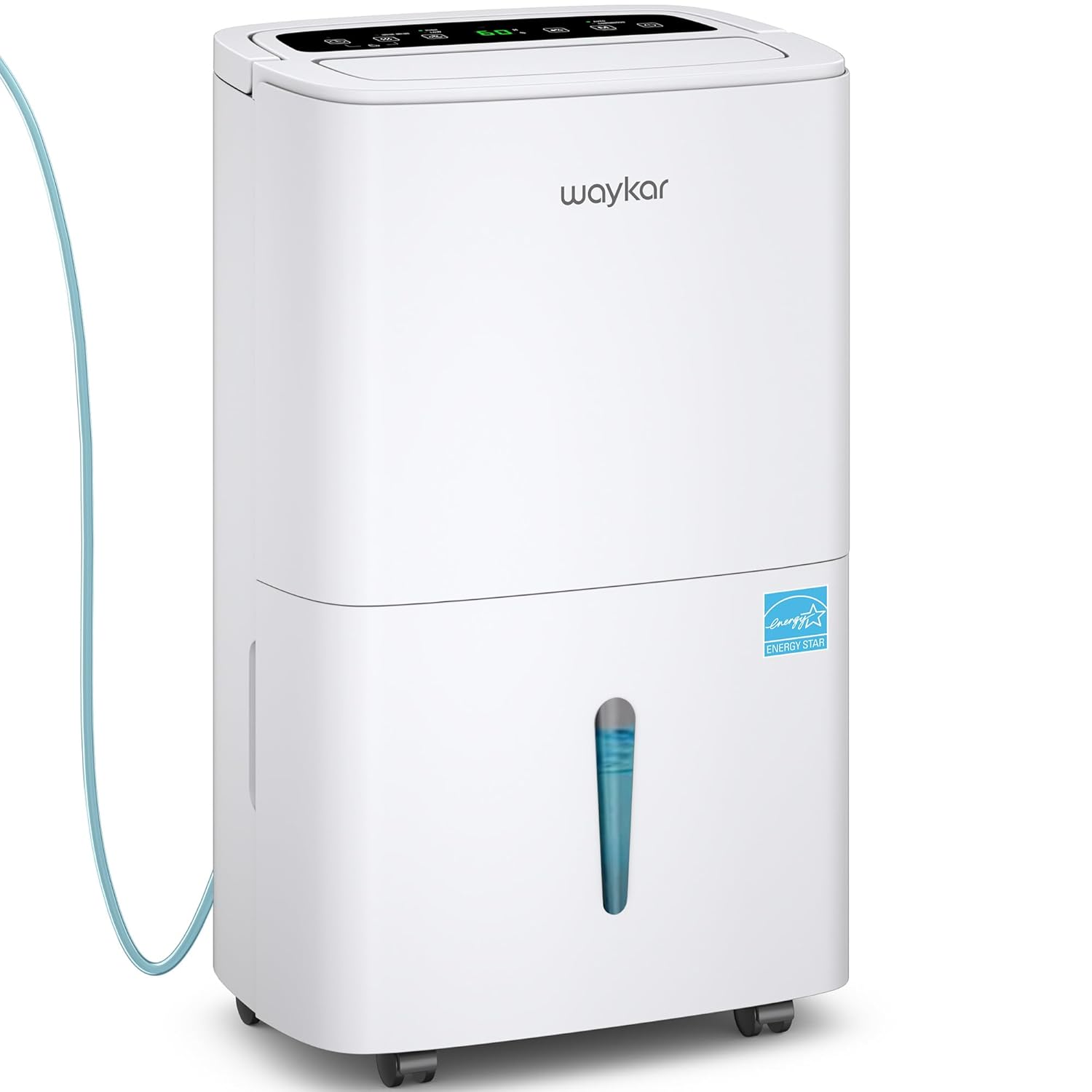
- Very damp / large basements
- Strong moisture removal
- Best when humidity is consistently high
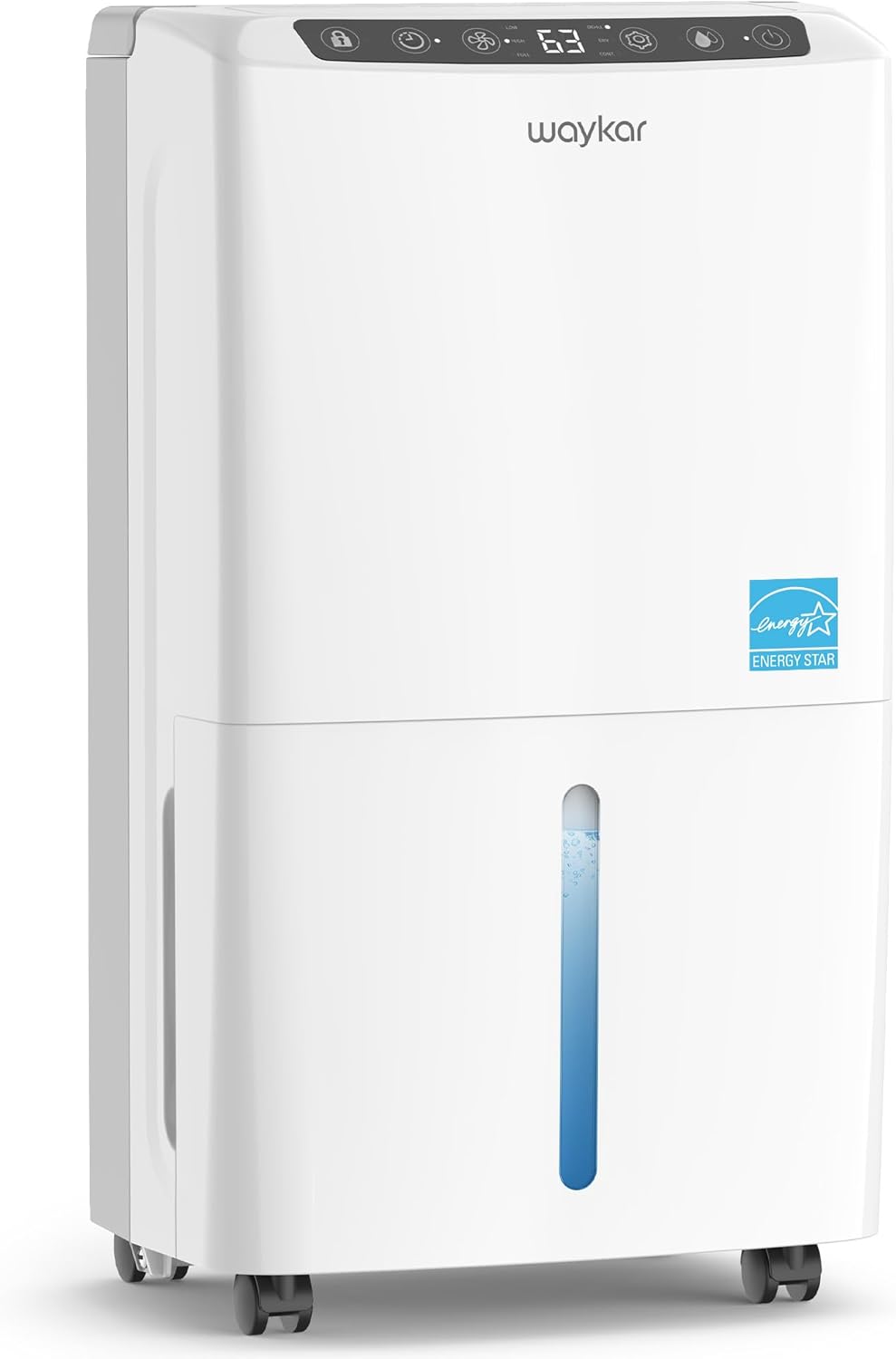
- Most homes & finished basements
- Balanced performance + efficiency
- Great everyday moisture control
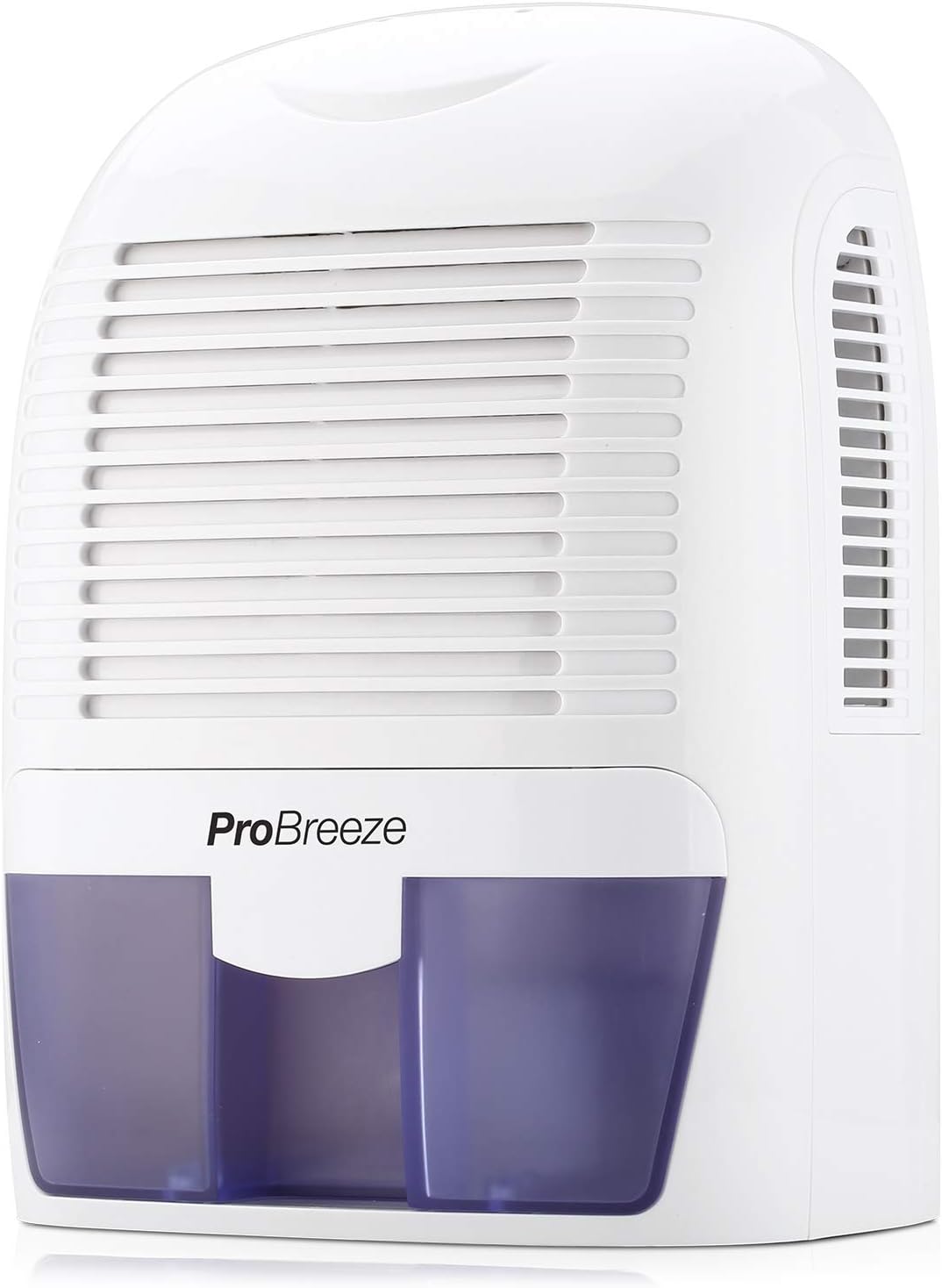
- Small rooms & light moisture
- Affordable + compact
- Good starter choice
Quick Comparison
| Pick | Best for | Why we like it | Link |
|---|---|---|---|
| Best OverallVery damp / large spaces | Large basements, crawl spaces, persistent humidity | Strong moisture removal; good fit when you’re fighting real dampness | View on Amazon |
| Mid-RangeMost homes | Typical basements; finished basements where noise matters | Balanced performance + efficiency; solid everyday moisture control | View on Amazon |
| BudgetSmall rooms | Bedrooms, bathrooms, closets, small damp areas | Compact + affordable; good entry pick for light moisture problems | View on Amazon |
Which One Should You Buy?
Buy the Best Overall if:
- Your basement is consistently damp, smells musty, or feels clammy most days
- You have an older home, a crawl space, or visible condensation
- You want strong moisture removal and less “fighting humidity”
Buy the Mid-Range if:
- You want reliable control for a normal basement (especially finished basements)
- You care about efficiency + noise more than “maximum power”
- You want a safe, middle-of-the-road pick that fits most homes
Buy the Budget pick if:
- You’re treating a small space (bedroom, bathroom, closet, small corner of a basement)
- You’re trying to reduce mild dampness or odors without spending much
- You don’t need heavy-duty removal for a large basement
Beginner Sizing Tips (Simple)
- Moisture level matters more than square footage. A small but very damp basement needs more power.
- Drainage saves you headaches. If you can run a hose to a drain, do it.
- Target humidity: 45–50% is usually ideal for basements.
FAQ
What humidity should a basement be?
Most basements feel best around 45–50% relative humidity. If you’re above 55% consistently, you’re more likely to get musty smells and mold risk.
Should I use a drain hose or the bucket?
If you can, use a continuous drain hose. It’s more reliable and saves you from emptying the bucket constantly.
Why does my dehumidifier fill up so fast?
Fast fill usually means the space is very damp (or humid air is leaking in). Check for poor ventilation, wet foundation spots, and whether doors/windows are letting humid air in.
Do dehumidifiers help with basement smell?
Yes — musty odors often come from moisture. Reducing humidity helps prevent mold growth and stale-air smell. Pairing humidity control with cleaning the source (and improving airflow) works best.
We’ll keep updating this guide as we add more real-world comparisons and room-specific recommendations.